
What Features Ageing Couples Appreciate in Bed Tables
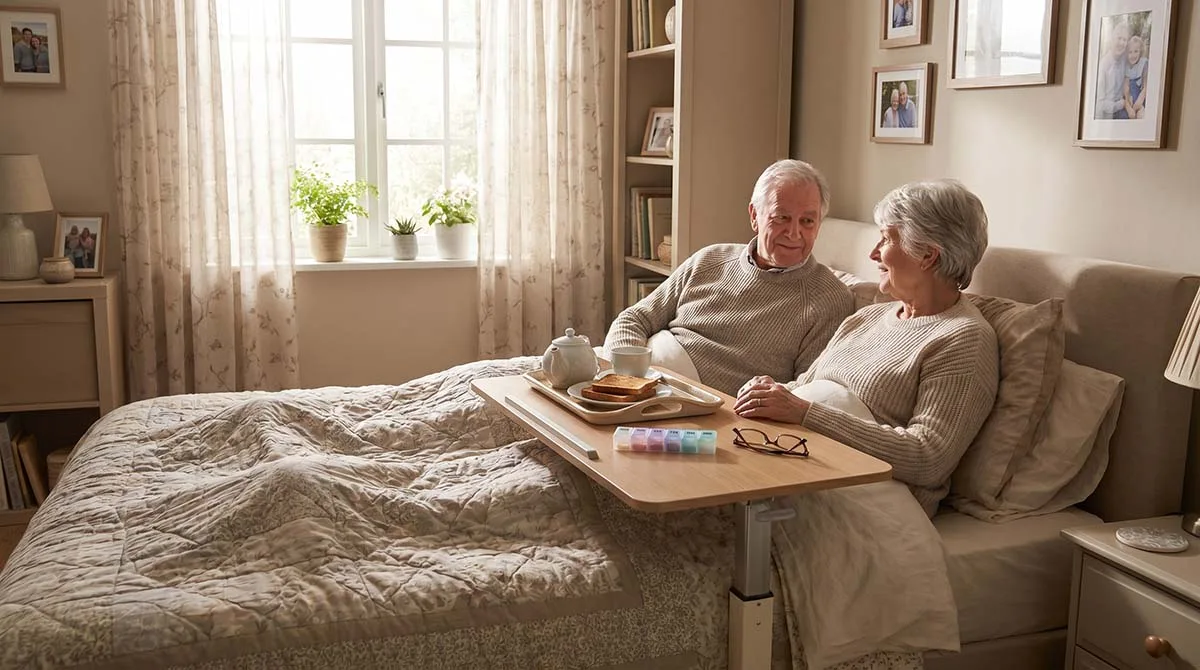
For ageing couples, a bedside table is often less about convenience and more about making daily routines feel manageable, safe, and shared. Whether used for meals, reading, medication, hobbies, or recovery after illness, the right table can reduce unnecessary strain and help both people maintain comfort and independence at home. The most appreciated features are usually the practical ones that make everyday use easier without making the bedroom feel clinical.
Adjustable Height Supports Different Needs
Ageing couples often have different body heights, mobility levels, and preferred sitting positions, so adjustable height is one of the most useful features in a bed table. A table that can be raised or lowered allows each person to bring the surface closer without leaning forward, twisting, or overreaching. That matters when eating, writing, using a tablet, or sorting medication from bed or a chair.
Good height adjustment also supports better ergonomics, especially for people managing stiff joints, shoulder pain, or reduced upper-body strength. When comparing over the bed tables for home and care use, couples usually benefit from checking whether the table height suits both bed and chair use, rather than only one setting.
Smooth Mobility Makes Sharing Easier
A bed table that moves smoothly can be shared between partners without creating extra effort. Lockable castors, stable wheels, and a lightweight frame make it easier to reposition the table for meals, reading, or bedside tasks. For couples where one person is the main carer, this can also reduce repeated bending, lifting, and awkward pushing.
Mobility should not come at the expense of control. Wheels need to roll easily over common bedroom flooring but stay secure once the table is in place. A table that shifts unexpectedly can feel unsafe, especially when carrying hot drinks, medication, or fragile items.
Stable Surfaces Build Confidence
A stable tabletop is especially important for ageing couples who rely on the table for daily essentials. Wobbling, tipping, or uneven movement can make simple tasks stressful, particularly for someone with tremors, poor grip strength, or reduced coordination. A firm surface helps users feel more confident when placing meals, books, glasses, phones, or personal care items within reach.
Stability also supports safer routines around assistive technology and medical items. If one partner uses a blood pressure monitor, medication organiser, or personal alarm, the table needs to hold these items securely without feeling overcrowded or flimsy.
Easy Cleaning Suits for Daily Use
Bed tables are often used for food, drinks, medication, and personal care, so easy cleaning is a practical feature that couples quickly come to value. Smooth surfaces, wipeable finishes, and simple edges help reduce the build-up of crumbs, spills, and dust. This is especially useful when the table is used several times a day.
Low-maintenance materials also help carers keep the bedroom more hygienic without adding another difficult cleaning task. A table that needs careful handling or complicated cleaning can become frustrating, while a simple wipe-clean surface is more likely to stay useful over time.
Practical Tabletop Space Reduces Clutter
Ageing couples often appreciate a tabletop that is large enough for everyday items but not so large that it overwhelms the room. The right size depends on how the table is used. Some people only need space for a meal tray and a cup, while others may use it for reading, puzzles, paperwork, a tablet, or small health devices.
As a form of assistive technology, a bed table should support daily tasks without adding clutter or making the bedroom harder to move through. A practical tabletop keeps essentials close while still leaving enough clear space for safe access around the bed. Raised edges, if included, can also help stop small items from sliding off, although the table should still be easy to use from different angles.
Simple Controls Encourage Independence
Complicated adjustment mechanisms can discourage use, especially for people with arthritis, weak hands, or limited dexterity. Ageing couples generally appreciate controls that are easy to understand, easy to grip, and simple to operate without force. The less effort it takes to adjust the table, the more likely each person is to use it independently.
Simple controls also reduce reliance on a partner or carer for every small change. Being able to move, raise, lower, or reposition the table without help can make a meaningful difference to confidence and day-to-day comfort.
Small Details That Make Daily Care Easier
The best bed table for an ageing couple is usually the one that fits naturally into their routine. Adjustable height, smooth movement, stable construction, easy cleaning, useful tabletop space, and simple controls all support safer and more comfortable daily living. Rather than focusing only on appearance or price, couples benefit from choosing a table that reduces strain, supports shared use, and keeps everyday essentials within easy reach.
