
How to Treat Dog Allergies at Home: Safe, Effective, and Vet-Approved Solutions
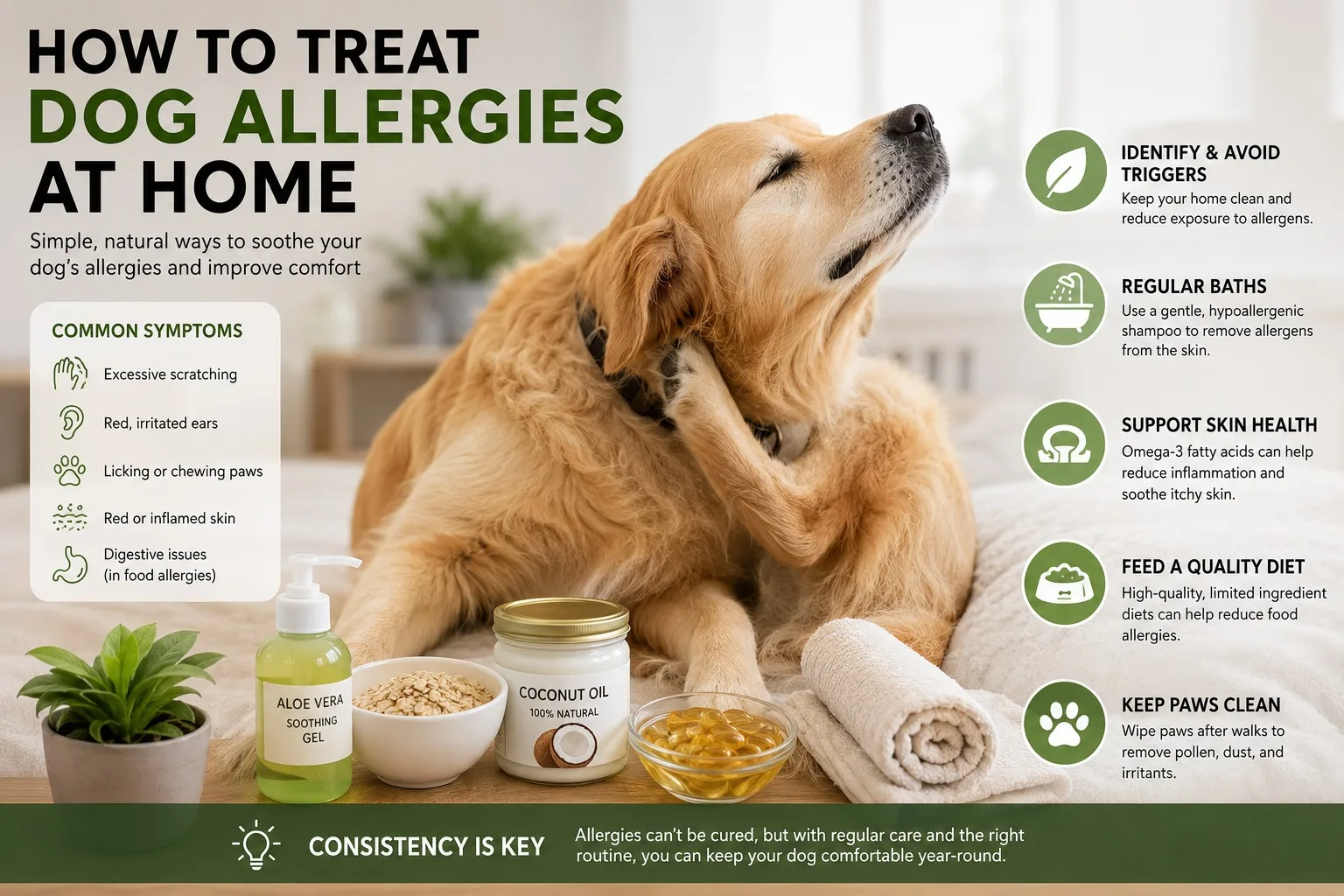
How to Treat Dog Allergies at Home
It can be heart-wrenching to watch your dog continually scratch. Suddenly, they’re playing happily in a ball with the kids, and within seconds, they’re licking, rubbing, chewing at furniture and licking and rubbing at irritated skin. One of the most widespread ailments of dogs today is allergies. According to recent veterinary reports, allergies remain one of the biggest issues for dogs around the world and for veterinarians’ consultations.
Environmental allergens like pollen, dust mites, mold, fleas, and some food ingredients are the leading cause of allergies in dogs. Humans sneeze when they are allergic, but these reactions are more likely in the form of itchy skin, recurrent ear infections, excessive licking, and irritated paws. Veterinary scientists have found that skin allergies are one of the most frequent chronic diseases of dogs, and therefore cannot be cured – and must be managed on an ongoing basis.
Fortunately, many allergy symptoms are mild and can be treated at home with a routine and understanding of the cause of the allergy. While home remedies may not be a substitute for veterinary help, they can help alleviate your dog’s pain and make his life more comfortable. Allergy management is similar to gardening. Weeds can never be completely eradicated, but through consistent maintenance and management they can be kept out. This applies to your dog’s allergies also. The little things done regularly add up to the biggest changes in the long run.
There are also dog wellness and pet care articles for dog owners who would like to know more about pet care and dog health on Core Trends Hub Pet Section for more practical tips and insights.
If your cat’s actions seem confusing, our guide on Understanding Your Cat’s Behavior and Communication Signals explains the hidden meanings behind common feline habits and body language.
Understanding Dog Allergies
Allergies in dogs are a condition in which their immune system reacts strongly to a substance that is not harmful. The allergens cause inflammation in the body. Dogs typically get allergies on their skin and ears, as opposed to humans. That’s why you may notice your pet scratching a lot, getting red spots, hot spots, and gnawing on their paws as the initial signs of the condition.
Experts at the vet’s office point out that environmental allergies, flea allergies, and food allergies account for the bulk of cases of allergies in dogs. Environmental allergies may be worse during certain times of year and food allergies may occur at any time. Unlike most conditions, flea allergies can be triggered by an itchy reaction to just one flea bite in dogs that are allergic to it.
The first step in successful home treatment is to try to determine the cause of your dog’s discomfort. If you are not aware of what is likely causing the issue, you may be applying treatments for months that are not going to solve the problem.
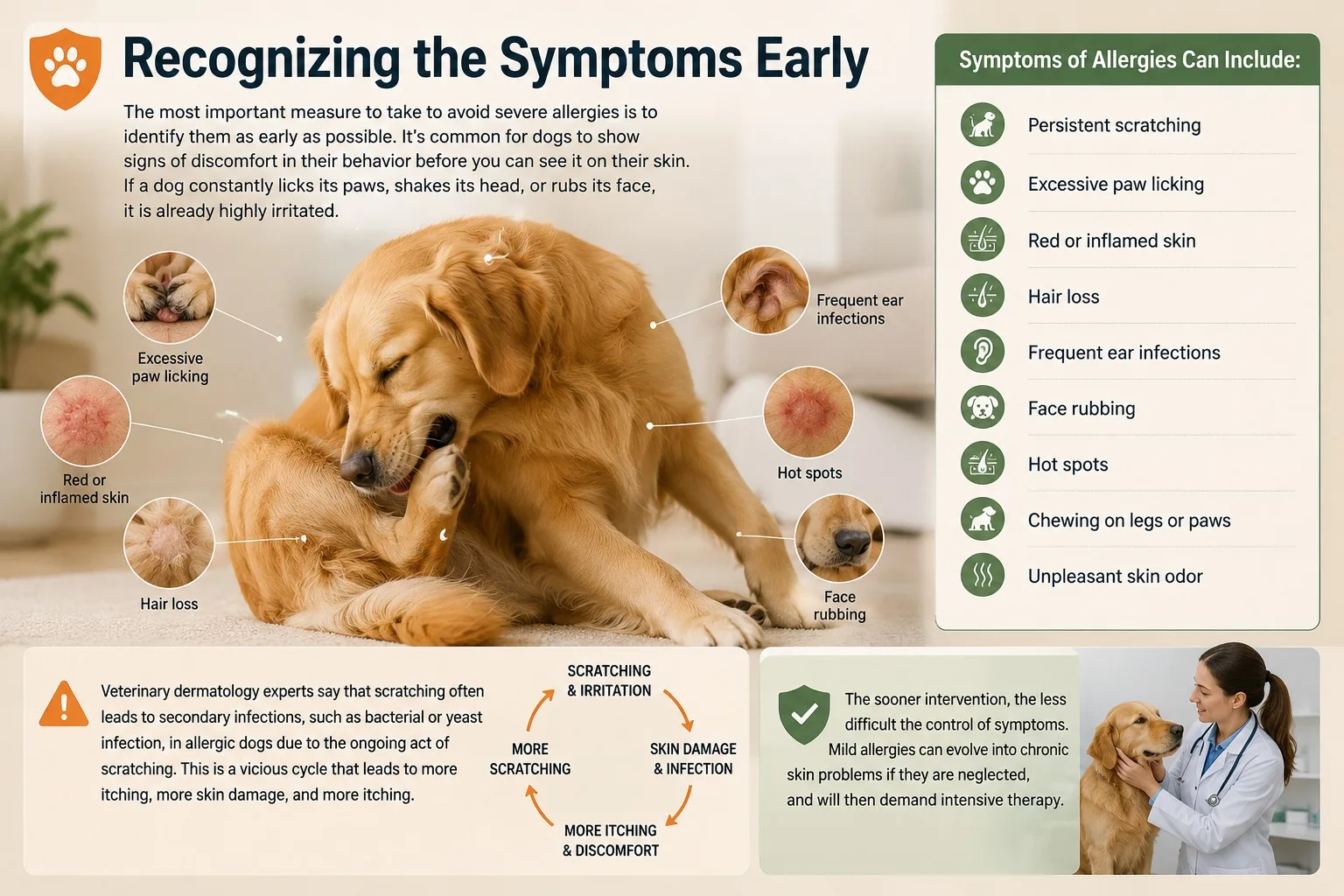
Recognizing the Symptoms Early
The most important measure to take to avoid severe allergies is to identify them as early as possible. It’s common for dogs to show signs of discomfort in their behavior before you can see it on their skin. If a dog constantly licks its paws, shakes its head, or rubs its face, it is already highly irritated.
Symptoms of allergies can include:
- Persistent scratching
- Excessive paw licking
- Red or inflamed skin
- Hair loss
- Frequent ear infections
- Face rubbing
- Hot spots
- Chewing on legs or paws
- Unpleasant skin odor
Veterinary dermatology experts say that scratching often leads to secondary infections, such as bacterial or yeast infection, in allergic dogs due to the ongoing act of scratching. This is a vicious cycle that leads to more itching, more skin damage, and more itching.
The sooner intervention, the less difficult the control of symptoms. Mild allergies can evolve into chronic skin problems if they are neglected, and will then demand intensive therapy.
Why Home Treatment Matters
Many pet owners think that every symptom of allergy needs to be treated with a drug. Most cases of severe allergies require veterinary care, but home care can make a significant difference in decreasing allergic exposure and help improve healthy skin. The preventive measures involve bolstering the innate immune system of your dog and reduce exposure to triggers.
Home treatment has a number of benefits. It’s usually not too expensive, is durable and easy to look after, and helps to prevent flare-ups from getting out of hand. The key to success is consistency. Like daily brushing to prevent cavities, frequent allergy management can help prevent large allergic reactions.
A home care plan is also a good way to supplement veterinary care, if it is created to be structured. Veterinarians often suggest using medical treatments along with environmental management, diet, and skin care regimes. Research and veterinary advice indicate that bathing, removal of allergens from the coat, administration of omega-3 fatty acids and a clean environment may all help alleviate symptoms.
Pet owners looking to improve their companion’s overall well-being can explore our collection of Expert Pet Care Tips for Healthier and Happier Pets, covering nutrition, grooming, training, and preventive healthcare.
Home Remedies for Dog Allergies
Regular Bathing
One of the easiest and best home remedies is to bath. Your dog will pick up allergens like pollen, dust and mold spores on a daily basis. A mild bath will remove these irritants before they can cause itching.
Shampoo with hypoallergenic shampoo, specifically for dogs, recommended by your veterinarian. Don’t use human shampoos as they can upset the balance of the dog’s skin. Many allergy-friendly shampoos contain soothing ingredients that will help to soothe irritation and moisturize dry skin.
Baths will be done in accordance with your dog’s condition. During allergy seasons, dogs can be given baths every week if they have seasonal allergies. Avoid over bath the skin as it may cause dryness and aggravate symptoms.
Oatmeal Baths
Oatmeal is known for its calming effects. A bath with oatmeal may help temporarily relieve itching and irritation. Colloidal oatmeal based products for pets particularly work well as they help to keep pets’ skin moisturized and reduce inflammation.
See oatmeal as a barrier to sensitive skin. It creates a comforting barrier to help reduce the need to scratch constantly. Oatmeal baths don’t cure allergies, but they can help your dog feel much better when they have an allergy outbreak.
Paw Cleaning Routine
Paws pick up allergens wherever the dog goes – just like tiny mops! Pollen, grass particles and dust tend to get trapped between toes and the paw pads. One surprise trick is to wipe your dog’s paws after going on a walk.
It is common for veterinary allergy specialists to advise wiping the paws of animals, and even the belly, after outdoor activities during the allergy season. This seemingly innocuous behavior helps decrease allergen sensitivities and keeps dogs from ingesting irritants when they lick.
The following dietary changes can be beneficial:
It can be difficult to diagnose food allergies because symptoms may be similar to those of environmental allergies. Some proteins, additives or ingredients can cause an immune reaction resulting in skin irritation and stomach upset.
The elimination diet is one of the most effective tests to determine food allergies. In the process, one of the diet’s key ingredients – such as protein or meat from a specific country – is limited on the dog’s diet for a few weeks and all other food and treats are eliminated. Experts recommend that food trials for veterinary use can take as long as 8 to 12 weeks, and that it must be followed quite closely.

Dietary Changes That Help
Omega-3 Fatty Acids
Omega-3 supplements have been studied more than any other nutritional supplement for dogs who are allergic. Fish oil supplements have been found to help with skin health, skin barrier and inflammation.
Omega-3 fatty acids have been shown to be effective in enhancing coat condition and minimizing allergic skin irritation in the long run through the use of veterinary dermatology resources. Gradual results can take 4-6 weeks before you see them, and the benefits can be long term.
If you’re looking for more comprehensive information about animal health, nutrition, and care guidelines, you might find the Core Trends Hub Pet Category’s newest resources on pet care and animal wellness guides to be of interest.
Managing Seasonal Allergies
Pollen levels tend to rise in the spring and fall, which is when seasonal allergies are likely to be at their peak. A dog suffering from seasonal allergies can behave perfectly normal, then suddenly get itchy when the allergen levels increase.
There are a few ways this might help:
1. Reduce time spent outside during high pollen times.
2. Wash bedding frequently.
3. Vacuum regularly carpets and upholstery.
4. Indoors use air purifiers.
5. Wipe your dog’s coat after walks.
Environmental control is a process that is often neglected due to its continuous process. However, many pet owners have noticed significant differences after making these changes. The general consensus of veterinary professionals is to decrease exposure to allergens in an overall allergy management program.
Flea Allergy Prevention
Flea allergies should be taken into special consideration as they can trigger severe reactions from just a few bites. A flea allergy dog may scratch a lot around the base of the tail, back legs and lower back.
The most effective approach is to prevent the problem. Persistently controlling fleas throughout the year helps to minimize the chances of allergic reactions. Regularly wash bedding, vacuum often and use flea prevention products that are approved by a veterinarian.
Numerous owners do not realize how much exposure to fleas is necessary to cause symptoms. Fleas can be found indoors, so prevention is a must, not an option, even for dogs that stay indoors.
When Home Treatment Is Not Enough
Most dogs can be treated at home and a few will need a more professional approach. If symptoms are severe, persistent or if there are infections, a veterinary consultation is required.
If your dog has a problem with their joints, seek veterinary advice if they experience:
- Open wounds
- Significant hair loss
- Persistent ear infections
- Severe redness
Scratching continuously in spite of home care
Appearance of pain/distress
Home remedies should complement, not supplant, diagnosis, says the experts. Prescription treatments, allergy testing, immunotherapy or special treatment plans may be helpful for dogs that are moderately to severely allergic.
A veterinarian may be able to determine if environmental allergens, food allergens, parasites and/or other illnesses are playing a part in the issue. In the long run, time and money can be saved and frustration can be avoided by being accurate in the diagnosis.
Conclusion
The first step in home management of dog allergies is to determine what causes your dog to be allergic and to develop a plan for managing it. Combined with regular bathing, paw cleaning, environmental management, omega 3, dog food management, and flea prevention, your dog’s comfort can be vastly improved. The following strategies are most effective when implemented in conjunction with close monitoring and early intervention when signs/symptoms do occur.
For many dogs, allergies can be a life-long condition, but not a condition that will rule your pet’s life! With patience and consistent care and a proper mix of home medications, many dogs will be able to have healthier, less prone-to-flare-up skin and a much happier life. Being proactive is the important step to take, not waiting until things get bad.
FAQs
Is it possible to cure my dog of allergies at home?
It is possible to treat mild allergies at home, but severe or chronic allergies will most likely need veterinary diagnosis and treatment.
What is the best home remedy to treat the itchy dog skin?
Hypoallergenic shampoos, omega-3 supplements and oatmeal baths are among some of the best home remedies.
3. When should I bathe the dog if he has allergies?
Some vets suggest bathing once a week during allergy season, but depending on how healthy your dog’s skin is, up to a few times a week may be necessary.
4. Do food allergies lead to itchy skin in dogs?
Yes. Itchy skin, ear infections, paw licking and digestive upsets are among the most common food allergies that can occur.
5. Do dogs get allergies in the spring and fall?
Yes. Symptoms of seasonal allergies in dogs often occur due to environmental allergens like pollen, mold, dust mites, and others.
