Droven.io Best AI Startups in USA: Honest 2026 Review
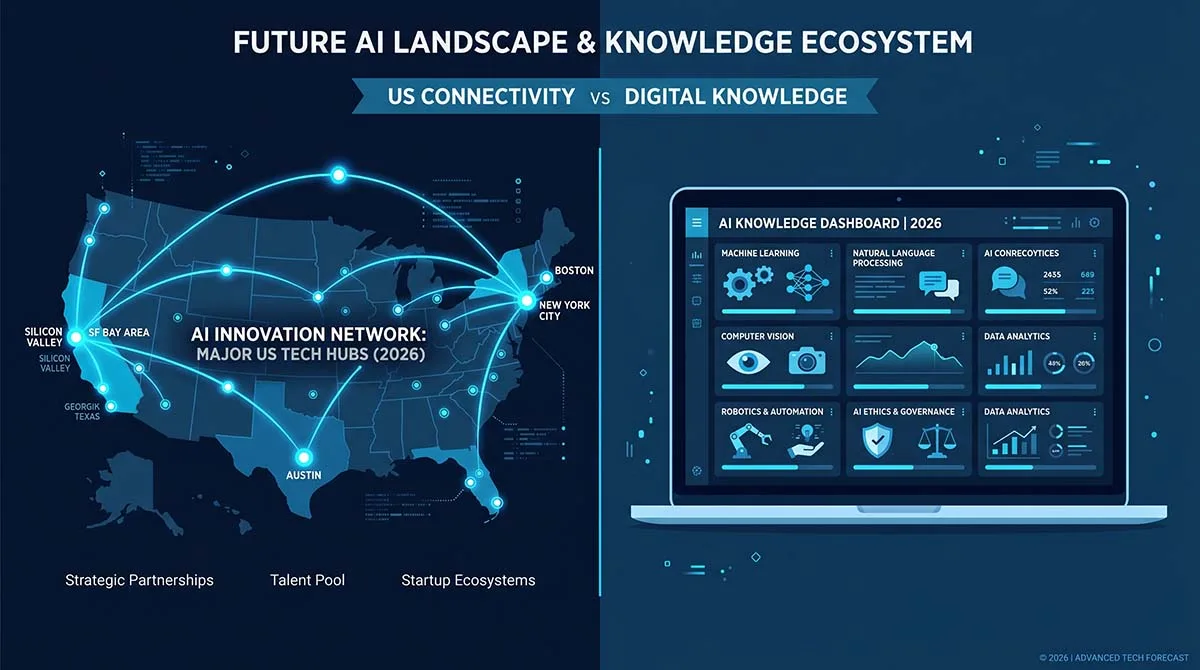
Most people who search for droven.io best AI startups in USA land on articles that either blindly promote the platform or leave them more confused than before. Some call it an automation SaaS. Others call it an AI knowledge hub. A few list it alongside OpenAI and Anthropic with no supporting evidence. None of them give a straight answer.
Droven.io is an editorial knowledge platform built around artificial intelligence, automation, and emerging technology topics. It publishes plain-language explanations to help readers understand AI before they commit to any tool or strategy. That single sentence is what the entire first page of Google currently fails to say clearly.
What Is Droven.io?
Before evaluating where this platform sits in the US technology landscape, you need to know what it actually does. A lot of the online coverage gets this wrong, which is why the search results feel inconsistent and unreliable.
Droven.io is not a software tool you install or subscribe to. It is an AI and automation knowledge platform that publishes educational content for business owners, operators, developers, and professionals. The resource covers topics including generative AI, business automation, machine learning trends, cloud computing, cybersecurity, and RPA (robotic process automation). Its goal is to help readers understand technology categories before they make purchasing or implementation decisions.
Think of it as a neutral resource for AI research rather than a product demo or sales funnel.
Droven.io as a Knowledge Platform vs. a Software Tool
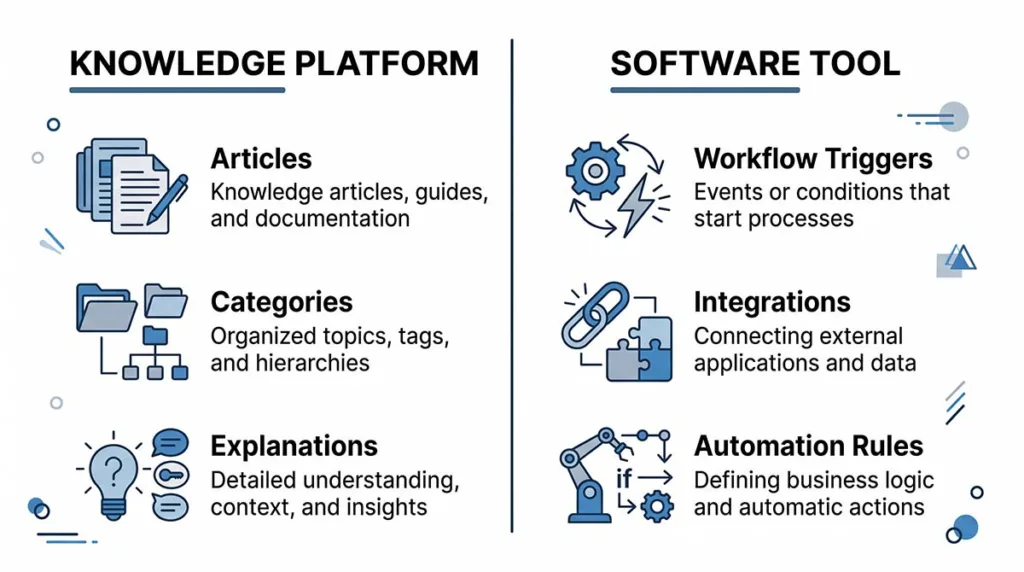
This distinction matters more than it sounds. Readers who arrive expecting a workflow automation tool similar to Zapier, Make, or UiPath will leave disappointed. The platform does not automate your tasks. It explains automation so you can decide which tool fits your situation.
That puts it in a different category entirely. Tools like Zapier give you a product to use. This resource gives you the context to choose smarter. For teams early in their AI adoption journey, that kind of neutral explanation is often more valuable than another product demo. The confusion in the search results comes from reviewers not making this distinction. Once you do, everything makes immediate sense.
Why Droven.io Appears Among Best AI Startups in USA
Several publications have listed it among the best AI startups in the USA. The listing is worth understanding in context rather than accepting or dismissing at face value. Most best startup lists are built on a mix of editorial judgment, platform focus, and content relevance to a target audience. They rarely use the same funding thresholds or revenue benchmarks that established outlets like TechCrunch or CB Insights apply.
For a knowledge-first resource like this one, inclusion in those lists reflects editorial relevance rather than venture capital validation. That is not a weakness. It is simply a different type of recognition.
What Makes an AI Startup Worth Watching
Before you accept any best AI startup claim, run it through four basic criteria.
1. Product Or Content Clarity
Can you explain in one sentence what the company does? The platform passes this test once you understand it is an editorial resource.
2. Defined Use Case
Does it serve a specific audience with a specific need? It serves readers who need plain-language AI education before making technology decisions.
3. Accessibility
Can you access and evaluate it without a sales call or paid subscription? Based on publicly available information, the resource is free with no paywall or mandatory demo booking.
4. Content Quality
Does it publish original, useful explanations or generic filler? The platform focuses on accessibility and explanation depth across AI, automation, cloud, and cybersecurity topics.
On these four criteria, the platform holds up reasonably well for an early-stage knowledge resource. It does not hold up if you compare it using funding data, named client lists, or verifiable revenue figures, because that information is not publicly available. It’s easier to use it properly if you understand this distinction.
How to Use Droven.io to Research Technology Ventures
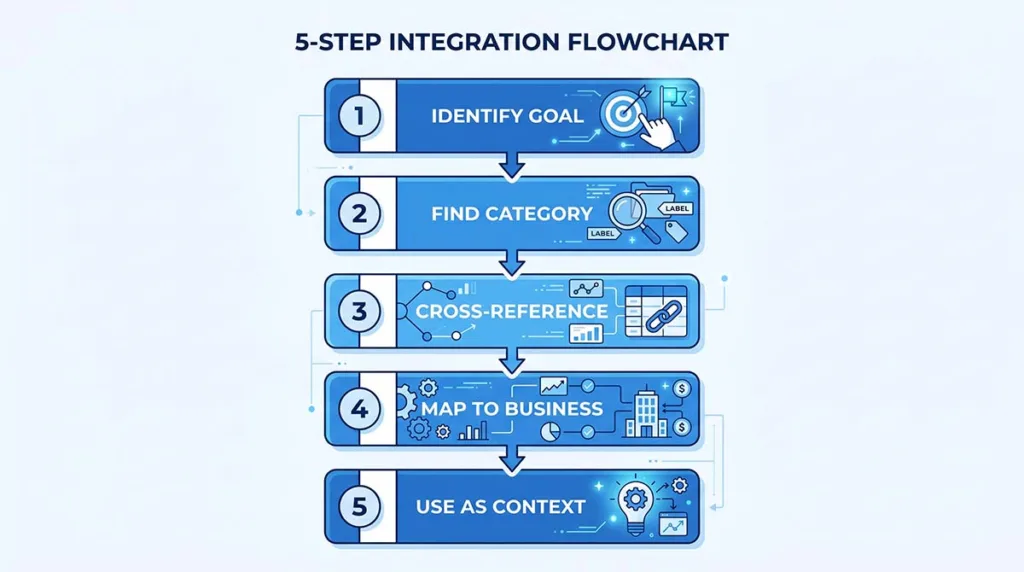
The most common mistake readers make with this platform is treating it as a final answer. It works much better as a starting point for AI research. Here is a practical five-step approach.
Step 1: Identify your goal before you read anything
Decide what question you are actually trying to answer. Are you evaluating a specific AI tool? Trying to understand a technology category? Developing an automation investment business case? Your goal determines which content is relevant to you and which is not.
Step 2: Use topic categories to find relevant content
The platform organizes articles across multiple categories including generative AI, business automation, machine learning, cloud computing, and cybersecurity. Start with the category that matches your current decision rather than reading broadly.
Step 3: Cross-reference key claims with verified sources
When the platform explains a technology or company, check that explanation against primary sources. For funding data, use Crunchbase or PitchBook. For product comparisons, use G2 or Capterra. For research depth, check Google Scholar or relevant company documentation.
Step 4: Map what you learn to your specific business situation
Generic AI education only helps when you connect it to your actual operations. After reading an article on RPA tools or AI workflow automation, ask yourself which parts apply to your team size, tech stack, and budget.
Step 5: Treat the content as context, not a verdict
The resource gives you vocabulary, category awareness, and framing. Your final decision on any AI tool or emerging tech company should come after consulting verified data, product trials, and expert implementation advice.
One practical tip: combine this platform with Crunchbase for funding data and G2 for user reviews. Together, these three sources cover the AI research gap that no single resource fills alone.
Top AI Company Categories the Platform Covers in 2026
Understanding the US AI ecosystem is easier when you break it into categories. The platform covers each of these segments with educational content aimed at non-specialist readers.
Generative AI Companies
Generative AI is the most visible segment of the US market right now. Companies in this space build systems that generate text, images, code, audio, and video from large-scale training data. OpenAI, Anthropic, and xAI are the most recognized names. OpenAI has raised over $11 billion in confirmed funding. Anthropic has raised over $7 billion. These are not typical early-stage ventures at this point. They are infrastructure-level companies shaping how AI gets used across every other industry.
For most businesses, generative AI is most relevant through API access rather than direct tool adoption. The platform explains these distinctions clearly for readers who are still mapping the category.
Enterprise Automation Companies
Enterprise automation is where most businesses will see their first practical return from AI investment. Ventures in this space build workflow automation, no-code tools, and RPA systems that reduce manual processing across operations, finance, sales, and support functions.
This category is especially active because the business case is immediate and measurable. A company that automates invoice processing or lead routing can calculate time and cost savings within weeks. That speed of measurable ROI keeps investment flowing into this segment.
Vertical AI Ventures
Vertical AI companies focus on a single industry rather than building general tools. Healthcare-focused firms apply machine learning to diagnostics, patient intake, and clinical decision support. Finance-focused companies handle compliance, fraud detection, and reporting automation. Logistics-focused ventures manage routing, inventory, and shipment coordination.
The advantage of vertical focus is depth. A company built specifically for healthcare understands data privacy rules, clinical workflows, and integration requirements that a general tool does not. For regulated industries, vertical AI ventures often deliver faster results than horizontal platforms.
Droven.io vs. Other AI Research Platforms
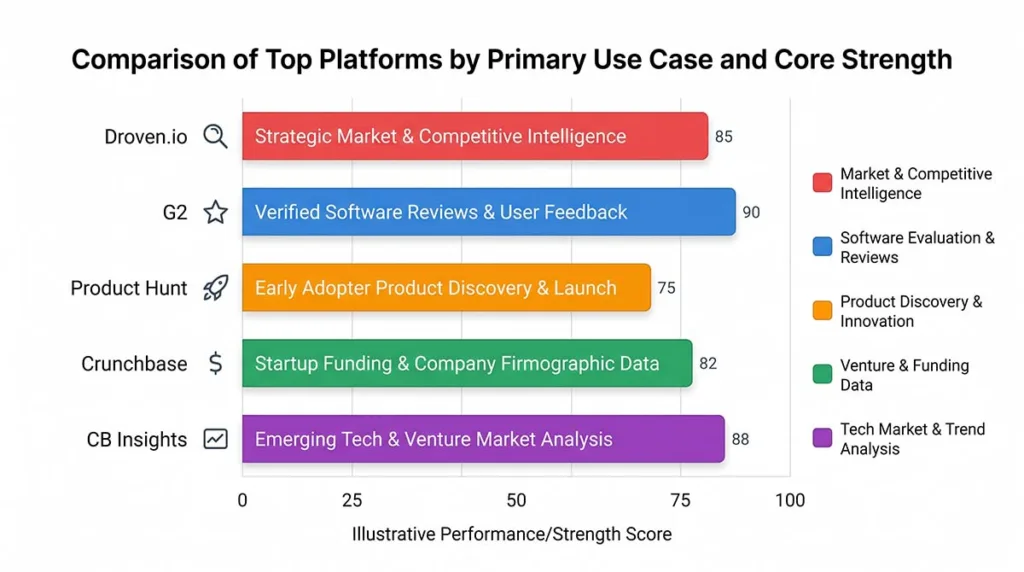
No single platform gives you a complete picture of the US technology landscape. Using it alongside other sources produces better research outcomes than relying on any one resource alone.
| Platform | Strength | Best For |
| Droven.io | Plain-language AI education | Category understanding, early research |
| G2 | User reviews and product ratings | Software comparison, buyer decisions |
| Product Hunt | New AI tool launches | Discovering emerging tools quickly |
| Crunchbase | Funding data, founding dates, team info | Investor research, startup verification |
| CB Insights | Market intelligence and trend reports | Strategic planning, enterprise research |
Plain-language education is where the platform outperforms most alternatives. It does not compete with Crunchbase on funding data or G2 on product reviews. Using them together fills the gaps that each one leaves open. If you are evaluating an automation tool or emerging tech company, start here for context, check Crunchbase for verified company data, and use G2 to read actual user experience.
Honest Verdict: Is Droven.io Worth Your Time?
For the right reader, yes. For the wrong use case, no. The difference comes down to where you are in your AI research process.
The platform is worth your time if you are a founder, operator, or professional who wants to understand AI and automation categories before making a purchasing or implementation decision. It gives you accessible, vendor-neutral explanations that help you ask better questions before you start spending.
It is not the right tool if you need verified funding data, named client references, independent product benchmarks, or enterprise-grade analyst reports. For those needs, Crunchbase, G2, and CB Insights serve you better.
On Pricing and Access: The platform appears free to use with no subscription required based on publicly available information. No mandatory demo, no paywall. That low-friction access makes it a useful first stop for any AI research session.
The best AI startup framing in the coverage around this resource reflects editorial placement, not venture validation. Treat it accordingly and the platform delivers real value.
FAQ Section
1. What is Droven.io?
Droven.io is a free AI and automation knowledge platform that publishes plain-language educational content. It helps business owners, operators, and professionals understand AI tools and technology categories before making decisions.
2. Is it one of the best AI startups in the USA?
Several publications list it as a notable AI platform in the US market. The listing reflects editorial relevance rather than verified funding or revenue data. It is a credible educational resource, not a funded tech company in the traditional startup sense.
3. Is Droven.io free to use?
Based on publicly available information, the platform is free to access with no subscription, paywall, or demo requirement. You can read its content without creating an account.
4. How is it different from tools like Zapier or Make?
It does not automate your tasks. Zapier and Make are workflow automation tools you connect to your systems. This platform explains what those tools do and helps you decide which one fits your situation.
5. Who should use Droven.io?
The platform works best for founders, operators, students, and professionals who are early in their AI adoption journey and want neutral, accessible explanations before committing to a tool or strategy.
Conclusion
Droven.io is an educational AI and automation knowledge platform, and that clarity changes how you should use it. It is not a software tool, not a verified tech directory, and not a substitute for primary research. It is a free, accessible resource for understanding AI categories before you make decisions. For business owners and operators navigating the US technology landscape in 2026, that kind of plain-language context has real value, as long as you combine it with verified data sources for any final decision. Visit the platform this week, read one article relevant to your current AI question, and cross-reference one key claim with Crunchbase or G2.
For more insightful articles, please visit Bloghart.