
Visa Options for Artists and Researchers: A Guide to U.S. Entry Pathways
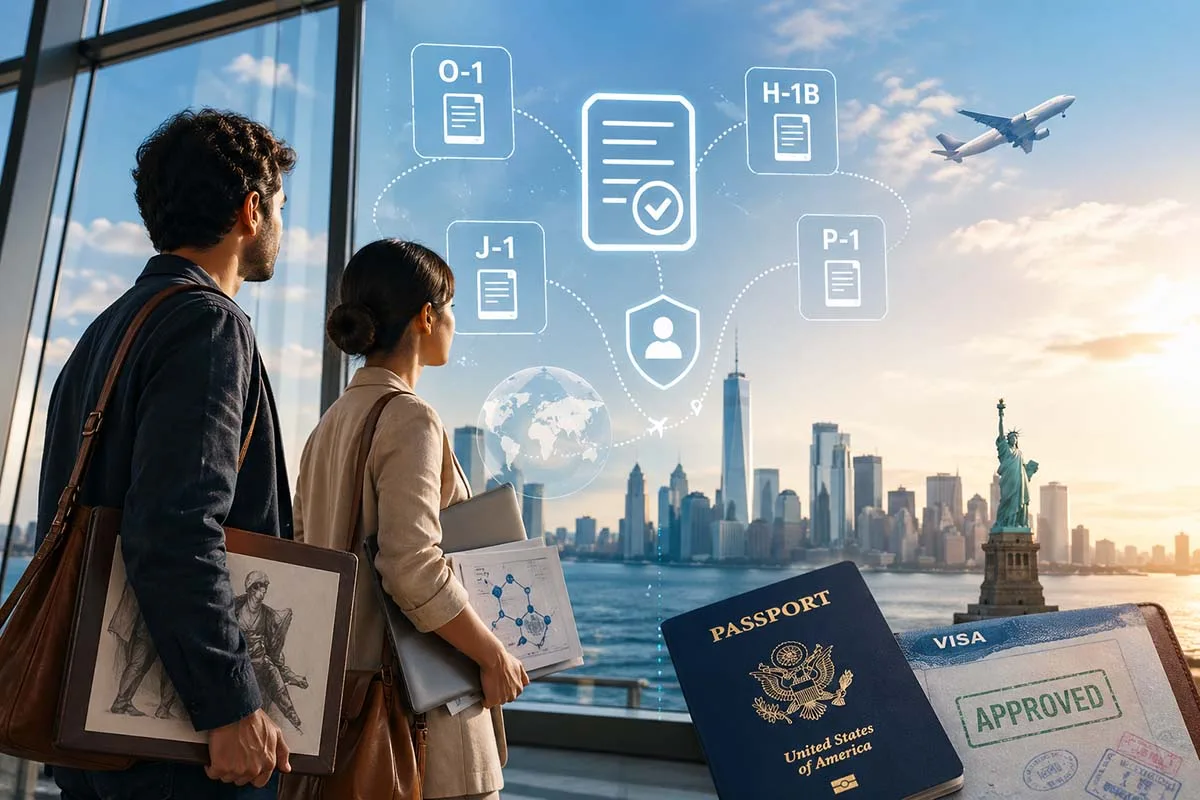
Embarking on a professional journey to the United States attracts thousands of artists and researchers every year. Whether you are a sculptor aiming for exhibitions or a scientist seeking groundbreaking collaborations, understanding U.S. visa categories is vital for a smooth transition. Early awareness of eligibility, documentation, and institutional support helps ensure a compliant and less stressful process. Read more about navigating the complexities of U.S. immigration for talented professionals.
The visa you choose impacts your duration of stay, flexibility in career-building, and even your long-term residency prospects. Artists and researchers have multiple paths available, but selecting the most beneficial option requires carefully evaluating your career trajectory, host institution, and personal goals. This guide outlines the key visa categories and provides best practices for overcoming common barriers.
Understanding Visa Categories
The United States offers a range of visa categories for different types of professional and cultural engagement. Artists and researchers most frequently consider the O-1, P-1, J-1, and H-1B visas. Each of these options comes with specific requirements, permitted activities, and distinct benefits. Understanding the nuances greatly increases the likelihood of a successful application and a more productive stay in the U.S.
Evaluating which visa is most suitable depends on factors such as your accomplishments, the nature of your work in the U.S., and whether you have a host or sponsorship organization. Additionally, each visa may have unique provisions regarding dependents, renewals, and future residency options, which are crucial for long-term planning.
O-1 Visa for Extraordinary Ability
The O-1 visa is tailored for individuals who have demonstrated a high level of achievement in the arts, sciences, education, business, or athletics. Applicants must prove their expertise with evidence such as major awards, leading roles, scholarly contributions, or high-profile exhibitions.
The O-1 grants an initial stay of up to three years, and extensions are possible for ongoing projects or employment. This visa gives artists and researchers more flexibility for contract changes, project-based work, and multi-institutional collaborations.
P-1 Visa for Performing Groups
The P-1 visa is ideal for artists who are part of internationally recognized groups, such as orchestras, theater troupes, or dance companies. Eligibility hinges on the group’s sustained fame and the requirement that at least 75 percent of its members have worked together for at least 1 year.
The P-1 is often used for tours, festivals, and cultural exchange events. The visa duration matches the planned performance schedule, usually for up to one year, with options for extensions if additional engagements are confirmed.
J-1 Visa for Exchange Visitors
The J-1 exchange visitor visa is popular among scholars, researchers, trainers, and artists participating in academic, cultural, or educational programs. J-1 programs prioritize the exchange of cultures. Often organized by educational or cultural institutions, the visa offers flexible, short- to medium-term stays ranging from a few weeks to several years, depending on the specific exchange. In many cases, J-1 visa holders may be subject to a two-year “home residency” requirement, meaning they must return to their country of origin before seeking certain other U.S. visas.
H-1B Visa for Specialty Occupations
The H-1B visa is designed for foreign nationals employed in specialty occupations, typically requiring at least a bachelor’s degree or its equivalent. Researchers in science, technology, engineering, or academic settings most frequently use this category. Securing an H-1B visa requires sponsorship from a U.S. employer.
Due to annual quota limits, demand for H-1B slots is intense, and selection is partly determined by a lottery, underscoring the need to apply early and consider backup options. Because H-1B holders can stay in the country for up to six years, this path is especially beneficial for people looking to work in the country for longer periods of time.
Application Process and Timelines
The process of applying for any U.S. visa includes several stages: obtaining sponsorship (if required), compiling supporting documentation, submitting a petition, and attending a visa interview at a U.S. consulate or embassy. Each visa category has distinct documentation requirements, so it is critical to review official U.S. Citizenship and Immigration Services (USCIS) guidelines and consult with legal professionals when needed.
Processing times can vary, but delays are common, especially for O-1 and H-1B visas. Applicants are strongly advised to begin preparations several months before their planned travel date to accommodate administrative processing. Guidance on this process can be found at the U.S. Department of State site.
Common Challenges and Solutions
Frequent issues include lengthy processing times, stringent evidence requirements, and the risk of denial due to insufficient proof of talent or expertise. To overcome these challenges, applicants should follow these recommendations:
- Compile comprehensive supporting materials, such as press clippings, portfolios, reference letters, or scientific publications.
- Use expedited processing (such as premium processing for O-1 and H-1B visas) when time is a concern and budget permits.
- Stay updated on immigration policies through sources such as USCIS, and consult experienced immigration attorneys for case-specific advice.
Resources and Support
Artists and researchers can find support through non-profit organizations and professional associations. For example, the Artistic Freedom Initiative provides guidance for at-risk creators and scholars, detailing U.S. entry options and advocacy resources. Immigration law firms like NNU Immigration also provide extensive visa guides, templates, and one-on-one counsel for applicants in creative industries.
With attention to detail, thorough preparation, and the right support network, international creatives and scholars can secure the optimal visa for their ambitions and make a meaningful impact in the United States.
Wrap-Up
Navigating U.S. visa options as an artist or researcher requires a clear understanding of eligibility criteria, timelines, and long-term goals. From the flexibility of the O-1 visa to the structured exchange opportunities under J-1 programs, each pathway offers distinct advantages depending on your professional profile.
Careful preparation, strong documentation, and early planning can significantly improve your chances of success. By leveraging reliable resources and seeking expert guidance when needed, you can confidently pursue opportunities in the United States and maximize your professional growth.
For more insightful articles, please visit Bloghart.
