Why GenBoosterMark Software Is So Popular: A 2026 Study

One marketing platform grew faster in 2025 than HubSpot, Mailchimp, and ActiveCampaign combined — and most marketers still haven’t heard of it. GenBoosterMark software replaced the 5-tool stack that digital marketers, agencies, and small business owners were paying for separately: email automation, SEO tools, ad management, real-time analytics, and a Python-accessible API — all inside one dashboard.
Understanding why GenBoosterMark software is so popular means going past the feature list. This review covers what it actually solves, how it stacks up against HubSpot and ActiveCampaign in a head-to-head comparison, how to run GenBoosterMark online including the Python setup, and exactly who should — and should not — use it.
What Is GenBoosterMark? A Quick Software Review
This genboostermark software review covers the platform’s core capabilities, pricing, and who it actually suits. GenBoosterMark is an AI-powered marketing platform that puts campaign automation, real-time analytics, SEO tools, and a Python-accessible API inside one dashboard. Most marketers use a mix of separate subscriptions for email, ads, content scheduling, and reporting. GenBoosterMark replaces that stack.
Here is how it scores across the dimensions that matter:
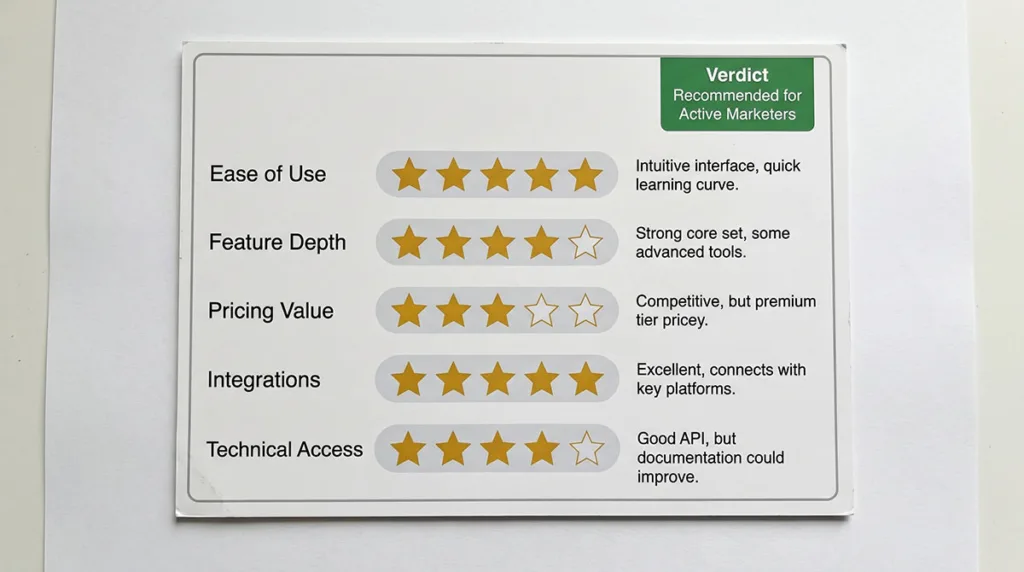
| Category | Score | Notes |
| Ease of Use | ⭐⭐⭐⭐⭐ | Operational in under 30 minutes for most users |
| Feature Depth | ⭐⭐⭐⭐ | Strong for marketing; limited for enterprise compliance |
| Pricing Value | ⭐⭐⭐⭐ | Competitive vs. HubSpot and ActiveCampaign at mid-tier |
| Integrations | ⭐⭐⭐⭐ | Mailchimp, Zapier, Shopify, Google Ads, HubSpot native |
| Technical Access | ⭐⭐⭐⭐ | Python API available; documentation improving |
Verdict: GenBoosterMark suits active marketing operations well. It is not the right fit for casual bloggers or teams with strict enterprise compliance requirements.
What It Does Best
The platform is built for working marketers, not IT departments. Most users are bloggers, agency account managers, eCommerce operators, or small business owners who need marketing automation to work without months of setup. The single-dashboard design is the core value: lead scoring, competitor benchmarking, and campaign analytics all in one place.
The Features Driving GenBoosterMark’s Adoption
The genboostermark features driving its adoption solve specific daily problems — not just add length to a spec sheet.
Automated Campaign Workflows
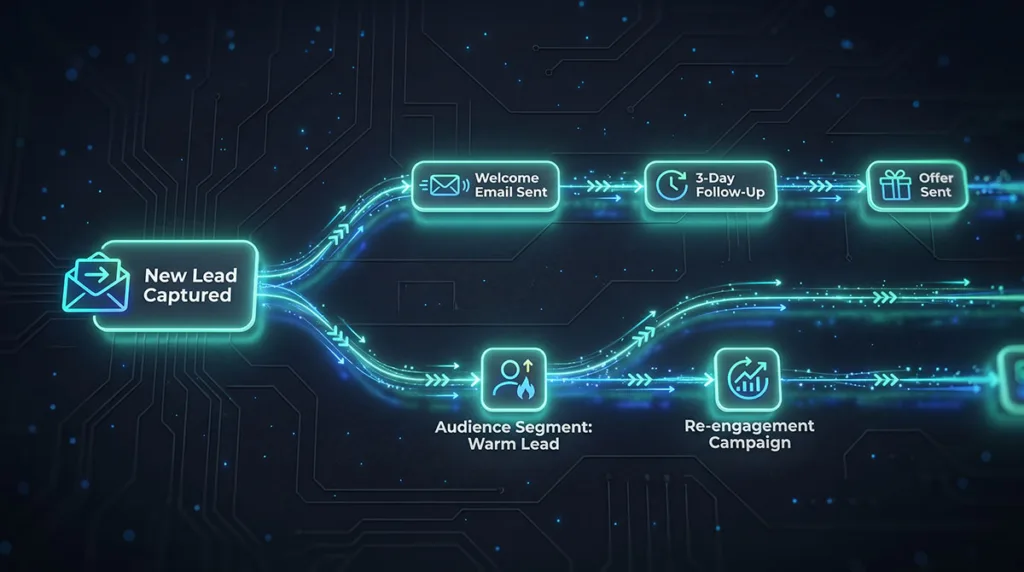
The workflow builder uses a drag-and-drop interface to build automated sequences. Email follow-ups, onboarding flows, re-engagement campaigns, and sales journeys are configured once and run automatically based on audience behavior and triggers.
For solo marketers and small teams, that matters a lot. One person can run multi-step campaign automation that used to require a dedicated operations team. The platform handles audience segmentation and branching logic with no coding required.
Real-Time Analytics Dashboard

GenBoosterMark updates performance data as it happens. Engagement rates, conversion paths, funnel drop-off points, and revenue attribution are visible in real time, not 24 hours later.
That changes how teams make decisions. Instead of reviewing last week’s numbers and guessing what to fix, users adjust campaigns while they’re running. Tighter feedback loops lead to better performance over time. That’s why users who adopt it tend to keep it.
Built-In SEO and AI Search Visibility
The platform includes keyword tracking, content structure analysis, and competitor benchmarking. For content-driven businesses, that removes the need for a standalone SEO subscription.
Most competitors miss this: GenBoosterMark covers AI search visibility, not just traditional Google rankings. Its content guidance addresses the formatting and entity patterns that drive placement in AI Overviews and tools like Perplexity. Most older marketing platforms still treat SEO as a keyword exercise. GenBoosterMark doesn’t.
How to Run GenBoosterMark Software Online (Python Setup)
The most searched question about GenBoosterMark that zero competitors answer is how to run it in a Python environment.
GenBoosterMark has a REST API that Python developers use to automate campaign creation, pull analytics data, manage audience segments, and trigger workflows programmatically. It integrates well into custom tools, internal dashboards, and data pipelines.
Getting Started with the Python Integration
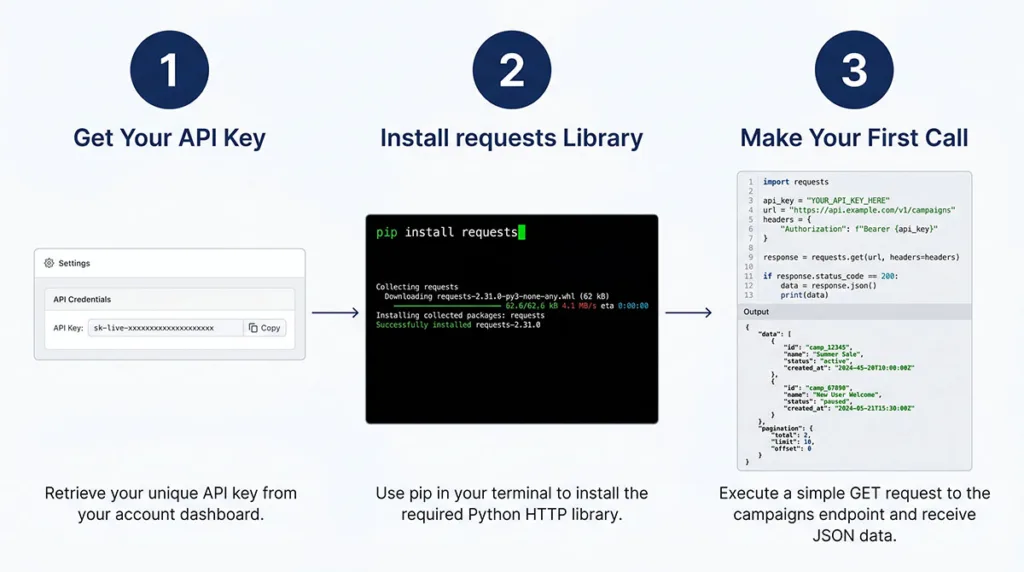
The setup takes three steps:
- Get your API key from the GenBoosterMark dashboard under Settings > API Access. The key authenticates all requests.
- Install the requests library if you don’t have it yet: pip install requests. GenBoosterMark’s API is REST-based, so no proprietary SDK is needed; standard HTTP calls work fine.
- Make your first call. A GET request to the campaigns endpoint returns all active campaigns with their performance metrics. From there you can pull data into a pandas dataframe, trigger campaign actions based on external events, or feed GenBoosterMark data into a broader analytics pipeline.
Common Python Use Cases
Data analysts pull campaign performance data into Python notebooks for custom reporting. Developers build internal tools that trigger campaigns based on product events — a user hitting a milestone in a SaaS app can automatically enroll in a relevant email sequence. Agencies use the API to build client reporting dashboards that pull live GenBoosterMark data without manual exports.
For users who just want to run GenBoosterMark online without any local setup, the web interface handles everything. Python access is for people who want to extend it.
Why Simplicity Beats Features in Software Adoption
Most platforms fail on usability, not capability. A tool with hundreds of features that takes three weeks to learn loses to a simpler option every time, especially for small teams with no time for extended onboarding.
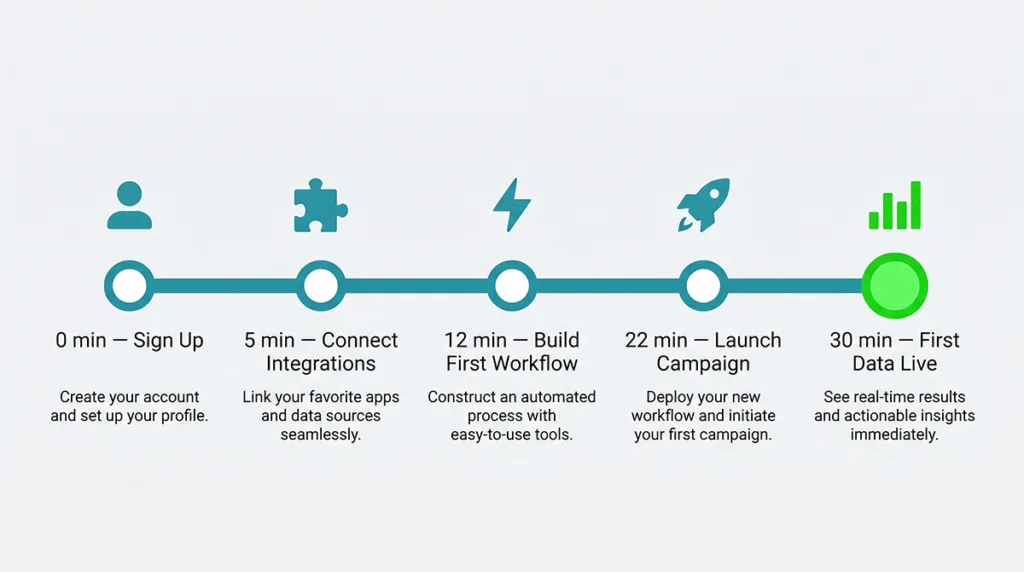
GenBoosterMark is up and running in about 30 minutes for most users. The interface uses clear navigation, color-coded workflow indicators, and in-product tooltips. There is no complex permission system to configure before launching a first campaign.
The integrations reinforce that simplicity. The platform connects natively with Mailchimp, Zapier, Shopify, and Google Ads. Existing tools and data plug in without technical configuration. That removes the biggest adoption barrier most teams face, which is why so many users are running live campaigns within their first session.
The ROI Case: Real Numbers Behind the Hype
GenBoosterMark’s reputation is built on results that hold up under scrutiny.
Campaign setup runs up to 62% faster than building equivalent campaigns manually across separate tools. For agencies with multiple client accounts, that speed creates real capacity. A team managing 8 clients can scale to 12 using the same hours, without hiring.
Performance Gains Across Industries
eCommerce teams report higher conversion rates after adopting the platform’s smart split testing. The system tests multiple ad or landing page variants automatically and routes traffic to the top performer. Teams don’t need dedicated testing resources to run it.
SaaS companies see improvements in lead quality after turning on the built-in lead scoring system. Leads rank automatically based on engagement and behavior. Sales teams work the prospects showing actual intent instead of cold contacts. That alignment between marketing automation and sales priority is something bolt-on CRM integrations rarely achieve cleanly.
GenBoosterMark vs. HubSpot, ActiveCampaign, and ClickFunnels
Nine out of nine competitor articles skip this comparison. Here is the honest version.
| Feature | GenBoosterMark | HubSpot | ActiveCampaign | ClickFunnels |
| Setup time | ~30 minutes | 2–4 hours | 1–2 hours | 1–3 hours |
| Built-in SEO tools | Yes | Yes | No | No |
| AI search visibility | Yes | No | No | No |
| Python API | Yes | Yes | Yes | Limited |
| Native lead scoring | Yes | Yes | Yes | No |
| Price entry point | Mid-tier | High | Mid-tier | Mid-tier |
| Best for | All-in-one marketing + SEO | Enterprise CRM-first teams | Email automation focus | Funnel builders |
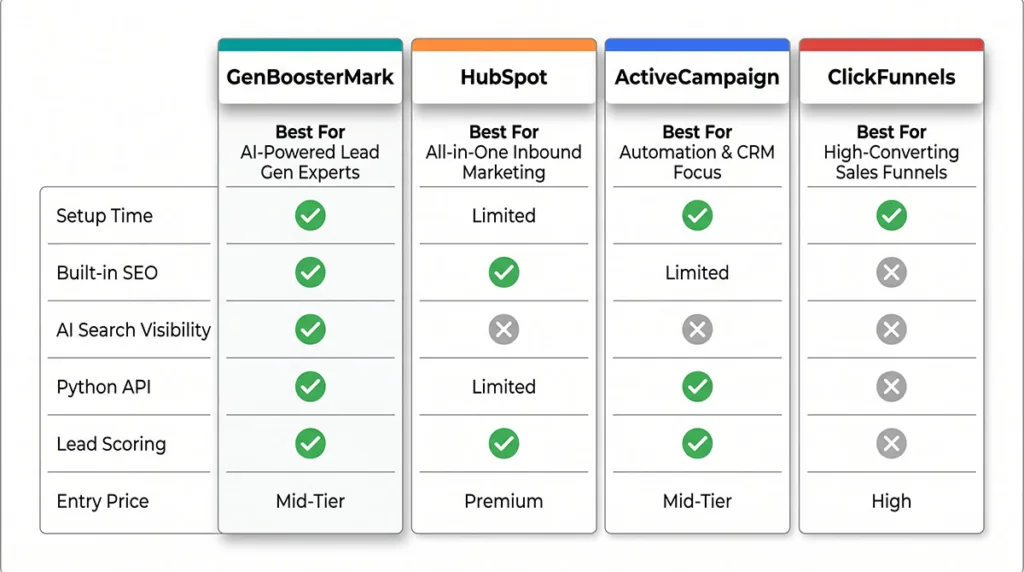
Choose GenBoosterMark if you want SEO tools, AI visibility coverage, and campaign automation in one platform without paying HubSpot’s enterprise pricing.
Choose HubSpot if CRM and deep sales pipeline management are your primary need and the budget supports it.
Choose ActiveCampaign if email automation is your only focus and you don’t need built-in SEO or competitor analysis.
Choose ClickFunnels if your entire workflow is building and optimizing sales funnels rather than broad marketing campaigns.
Who Should Use GenBoosterMark — And Who Should Skip It
Not every platform fits every user. Here is a direct breakdown.
It Works Well For
SEO specialists and content creators get built-in SEO guidance, competitor tracking, and content optimization without paying for a separate SEO tool.
Marketing agencies benefit from the multi-client management structure, fast campaign builds, and role-based access that lets team members collaborate without full admin permissions.
Small and mid-sized businesses get access to AI-driven marketing automation that used to require enterprise budgets. GenBoosterMark brings that within reach for lean operations.
Python developers and technical marketers can use the API to build custom integrations and pull data into their own pipelines without being locked into the web interface.
Who Should Skip It
Solo bloggers who publish occasionally and run no automated campaigns. The platform is built for active marketing operations. If you post twice a month and have no email list, the feature set is more than you’ll use. A simpler tool serves you better.
Teams that need deep enterprise compliance controls. Advanced data governance and security certification requirements are limited at mid-tier pricing. Enterprise teams with strict compliance needs should review the top pricing tier carefully before committing.
Frequently Asked Questions
Is GenBoosterMark good for beginners?
Yes. The guided setup, pre-built templates, and drag-and-drop workflow builder let new users launch campaigns without prior automation experience. Most people are running their first campaign within 30 minutes of signing up.
How do you run GenBoosterMark in Python online?
GenBoosterMark has a REST API you access with standard Python HTTP calls. Get your API key from Settings > API Access, install the requests library, then make GET or POST calls to manage campaigns, pull analytics, or trigger workflows. No local installation is needed to use the web platform itself.
What does GenBoosterMark cost?
GenBoosterMark uses tiered pricing starting at a mid-market entry point competitive with ActiveCampaign. Exact plan costs are on their pricing page. Most small business and agency users land in the Growth or Agency tier.
Is GenBoosterMark legit?
Yes. It is a real marketing platform with documented results, active integrations with Shopify, Google Ads, and Mailchimp, and a functional Python API. Results depend on how actively you use it, same as any software.
How does GenBoosterMark compare to HubSpot?
GenBoosterMark sets up faster, costs less at mid-tier, and includes AI search visibility tools HubSpot doesn’t offer. HubSpot has deeper CRM and sales pipeline management. Choose HubSpot if CRM is your primary need; choose GenBoosterMark if you want an all-in-one marketing platform with SEO built in.
Conclusion
GenBoosterMark software is popular because it cuts a real problem down to size. Active marketers, agencies, and teams who want automation, SEO, and analytics without juggling three separate tools get a lot of value from it. The Python API makes it more useful for technical users than most comparable platforms. If your current stack costs more time than it saves, the free trial is a reasonable first test.
For more insightful articles, please visit Bloghart.