Erosion Control & Compliance: Expert Solutions for Sites
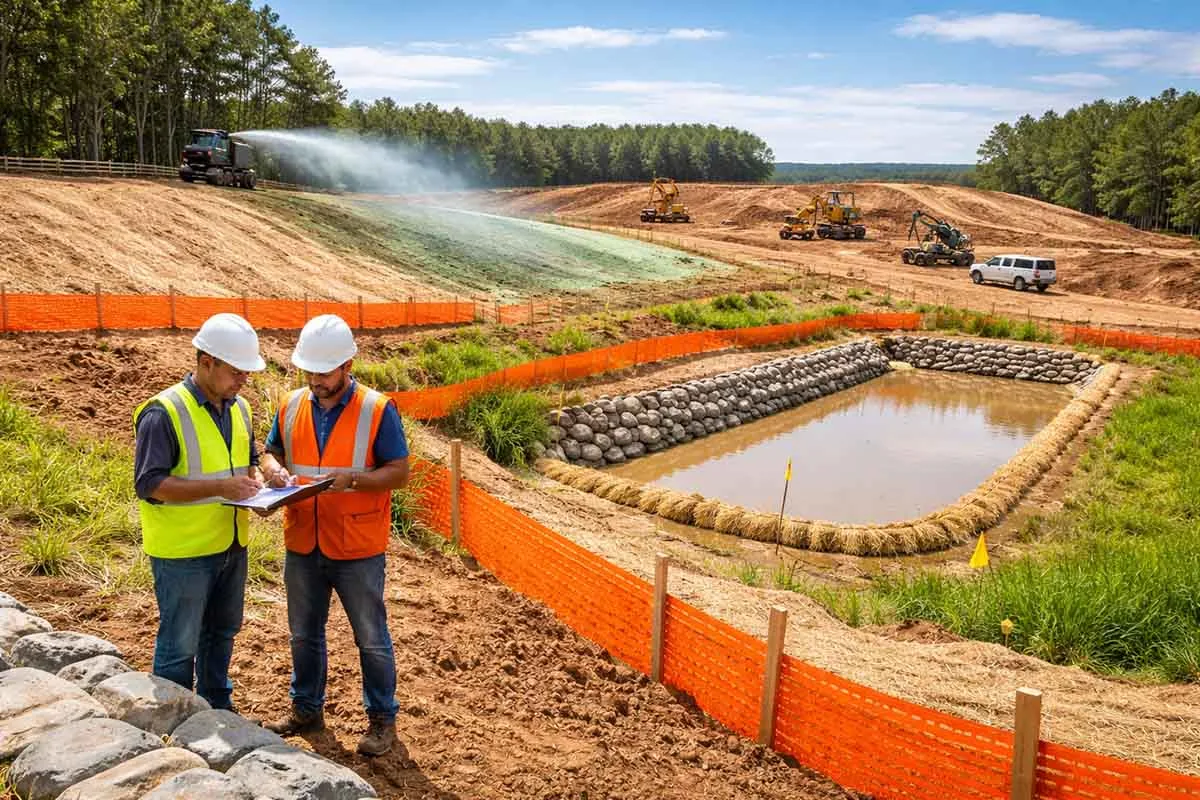
Construction projects are exciting, but they come with serious responsibilities. One of the biggest challenges contractors face is keeping soil in place while protecting the environment. Erosion control services are more than just a requirement—they safeguard your site, prevent costly delays, and ensure regulatory compliance. Without proper measures, rain and runoff can wash away topsoil, damage nearby waterways, and increase the risk of fines.
This is where trusted experts like Syman make a difference. They provide comprehensive site stabilization solutions, including SWPPP design services, BMP installation, site inspections, hydroseeding, and regulatory compliance consulting. By working with professionals, contractors can meet federal environmental standards and state regulations, all while protecting local ecosystems. Syman even helps create a tailored stormwater pollution prevention plan, ensuring every project stays on track and environmentally responsible.
With the right guidance, erosion control becomes manageable, practical, and effective for every construction site.
Understanding Erosion and Its Impact on Construction Sites
Construction sites are dynamic environments. Soil is constantly moved, disturbed, or exposed. Without proper precautions, erosion can become a serious problem. It doesn’t just affect your project—it impacts local ecosystems, waterways, and the surrounding community. Understanding erosion is the first step toward effective site stabilization solutions.
What Is Erosion in Construction?
Erosion occurs when soil, sand, or gravel is displaced by water, wind, or human activity. On construction sites, rainfall and stormwater runoff are the main culprits. Even a moderate rainstorm can wash away hundreds of pounds of soil per acre. Over time, this leads to sediment accumulation in nearby streams, affecting water quality and vegetation.
Common Causes of Erosion
- Soil disturbance from excavation, grading, or heavy machinery.
- Exposed slopes and unprotected fill areas.
- Poor drainage leading to concentrated runoff.
- Extreme weather events, such as heavy rainfall or flash floods.
Impacts on Construction Projects
Erosion can slow progress, increase project costs, and cause safety hazards. Sediment can clog drainage systems, damage foundations, and even trigger regulatory fines. Contractors need to address erosion early using erosion prevention techniques and sediment control solutions to ensure compliance with federal and state construction regulations.
By recognizing the causes and consequences, construction teams can implement proactive measures, keeping projects on schedule while protecting the environment.
The Importance of Environmental Compliance Services
Construction projects involve more than just building—they must follow strict environmental rules. Contractors who ignore environmental compliance services risk fines, delays, and long-term damage to the site. Ensuring compliance keeps projects on track, reduces liability, and protects natural resources.
Why Compliance Matters
Environmental compliance ensures that construction activities do not harm nearby waterways, wildlife, or communities. Federal regulations, like the Clean Water Act, set standards for sediment control and runoff management. States often add their own rules, creating complex layers of responsibility. Failing to meet these standards can cost projects thousands in penalties and remediation.
Benefits for Construction Projects
- Reduced risk of fines: Following regulations prevents costly legal issues.
- Sustainable site management: Protects soil, vegetation, and water quality.
- Efficient project planning: Compliance services integrate erosion control measures early, saving time and resources.
- Professional guidance: Experts like Syman offer regulatory compliance consulting, ensuring contractors follow federal and state construction regulations without errors.
By prioritizing environmental compliance services, contractors not only meet legal obligations but also build trust with stakeholders. It transforms compliance from a chore into a strategic advantage, enhancing both project outcomes and environmental responsibility.
Key Erosion Control Solutions
Managing erosion effectively requires a combination of planning, proven techniques, and ongoing monitoring. Contractors who implement key erosion control solutions can protect soil, reduce runoff, and stay compliant with federal and state construction regulations. Understanding these solutions is critical to maintaining both project efficiency and environmental responsibility.
SWPPP Design
A Stormwater Pollution Prevention Plan (SWPPP) is a blueprint for managing runoff and controlling sediment. It identifies areas at high risk of erosion and outlines strategies to protect them. Professionals like Syman specialize in creating SWPPP designs tailored to each construction site, ensuring compliance with both federal environmental standards and state regulations. Proper planning through a SWPPP minimizes erosion, prevents fines, and supports sustainable project execution.
BMP Installation
Best Management Practices (BMPs) include physical barriers like silt fences, sediment basins, check dams, and erosion control blankets. Installing BMPs helps slow water flow, trap sediment, and prevent soil displacement. Contractors often rely on experienced teams to select the right combination of BMPs for each site’s unique topography and soil type.
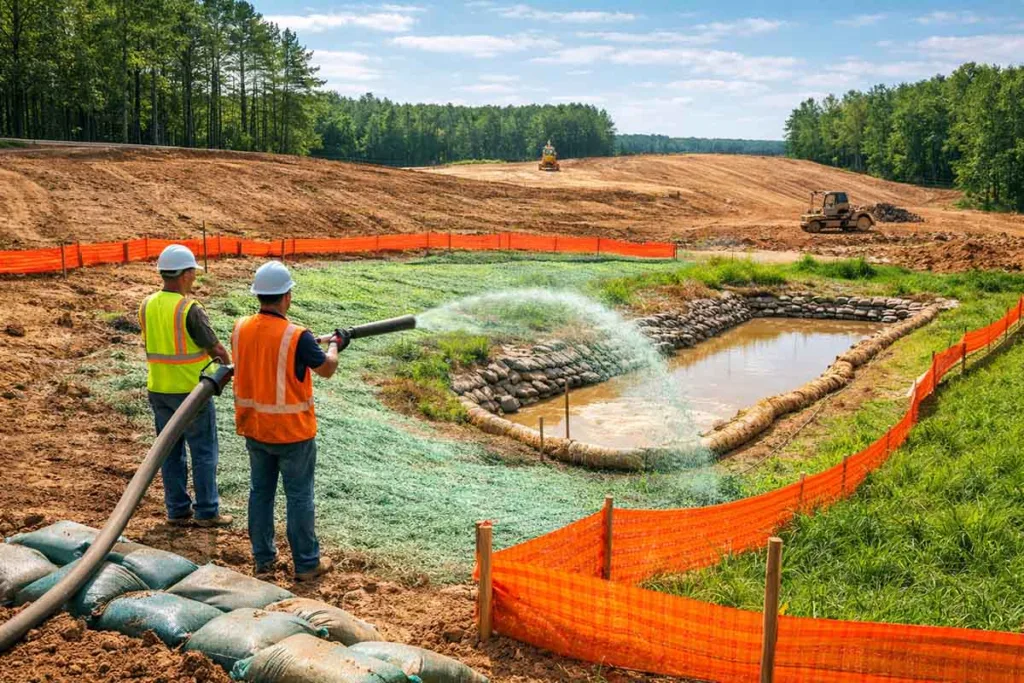
Hydroseeding and Soil Stabilization
Hydroseeding is a cost-effective method to establish vegetation quickly on exposed soil. Combining grass seed, mulch, and fertilizer, it forms a protective cover that reduces runoff. Along with other soil stabilization techniques, hydroseeding minimizes erosion risks, particularly on slopes and areas prone to heavy rainfall.
Site Inspections & Monitoring
Regular site inspections ensure erosion control measures remain effective throughout construction. Continuous monitoring identifies potential problem areas, allowing contractors to adjust BMPs or add new measures before issues escalate.
Implementing these erosion prevention techniques together creates a comprehensive approach that protects the environment, ensures compliance, and keeps construction projects on schedule. With guidance from experts like Syman, contractors can manage risks efficiently while delivering high-quality, sustainable results.
Benefits of Working with Expert Providers
Partnering with experienced professionals can transform erosion control from a challenging task into a smooth, efficient process. Contractors who work with expert providers gain access to specialized knowledge, advanced techniques, and practical solutions that reduce risk and improve project outcomes. Understanding these benefits highlights why choosing the right team is critical for successful construction site management.
Ensures Regulatory Compliance
Experts help contractors navigate complex federal and state construction regulations. Companies like Syman offer regulatory compliance consulting, ensuring projects meet standards for stormwater management, sediment control, and environmental protection. Compliance reduces the risk of fines, legal issues, and project delays.
Protects the Environment
Professional guidance ensures that erosion prevention techniques are effective and sustainable. By implementing site stabilization solutions, hydroseeding, and BMP installations correctly, contractors prevent soil loss, protect waterways, and maintain local ecosystems.
Saves Time and Costs
Experts streamline planning and execution, avoiding costly trial-and-error approaches. Properly designed SWPPP plans, regular site inspections, and ongoing monitoring prevent expensive remediation, keeping budgets predictable.
Improves Project Quality
Working with specialists ensures that erosion control measures are tailored to each site’s topography, soil type, and climate. This reduces long-term maintenance, minimizes risks, and supports a smooth, efficient construction process.
By relying on expert providers, contractors gain peace of mind, environmental protection, and measurable project efficiency—all while meeting compliance requirements.
Steps to Implement Erosion Control & Compliance Measures
Implementing erosion control and environmental compliance effectively requires careful planning and consistent execution. Contractors can prevent costly delays, reduce environmental impact, and ensure compliance by following a structured approach. Each step builds on the previous one to create a strong, resilient site management strategy.
1. Conduct Site Assessment and Risk Analysis
Begin by evaluating the site’s topography, soil type, and drainage patterns. Identify areas prone to soil erosion or heavy stormwater runoff. A thorough assessment helps determine which erosion prevention techniques and site stabilization solutions are necessary.
2. Develop a Comprehensive SWPPP
Create a Stormwater Pollution Prevention Plan (SWPPP) tailored to your project. This plan outlines erosion control measures, BMP installation strategies, and maintenance schedules. Working with experts like Syman ensures your SWPPP meets both federal and state construction regulations.
3. Install BMPs and Erosion Control Systems
Implement Best Management Practices (BMPs) such as silt fences, sediment basins, and check dams. Combine these with hydroseeding or other soil stabilization techniques to protect exposed areas. Proper installation minimizes sediment displacement and supports environmental protection.
4. Perform Regular Inspections and Maintenance
Conduct ongoing site inspections to identify any erosion issues early. Adjust BMPs, repair damaged systems, and reinforce vulnerable areas to maintain effectiveness.
5. Document Compliance and Progress
Keep detailed records of inspections, BMP performance, and corrective actions. Accurate documentation guarantees responsibility and offers proof of adherence in audits.
Following these steps systematically allows contractors to control erosion, protect local ecosystems, and maintain regulatory compliance throughout the project lifecycle.
Common Challenges and How to Overcome Them
Even with the best planning, contractors face challenges when implementing erosion control services and environmental compliance measures. Recognizing these obstacles early allows teams to adopt proactive solutions and keep projects on track.
Weather-Related Erosion Challenges
Heavy rainfall or flash floods can overwhelm BMP installations and destabilize exposed soil. To overcome this, contractors should implement multiple erosion prevention techniques like silt fences, sediment basins, and hydroseeding, especially on slopes and vulnerable areas.
Complex Compliance Requirements
Navigating federal and state construction regulations can be confusing. Engaging experts such as Syman for regulatory compliance consulting ensures all SWPPP plans and documentation meet legal standards, reducing the risk of fines or project delays.
Cost and Resource Constraints
Limited budgets or manpower may hinder proper erosion control. Prioritizing high-risk areas, using cost-effective soil stabilization solutions, and scheduling phased BMP installations can help manage resources efficiently without compromising compliance.
By addressing these challenges proactively, contractors can maintain project efficiency, protect local ecosystems, and avoid costly mistakes.
FAQ Section
1. What is erosion control in construction projects?
Erosion control involves methods to prevent soil displacement caused by rain, wind, or runoff. Techniques like hydroseeding, silt fences, and BMP installation help stabilize soil, protect the environment, and prevent costly damage to construction sites.
2. Why is environmental compliance important for construction sites?
Environmental compliance ensures projects meet federal and state regulations, such as water quality and sediment control standards. Compliance reduces the risk of fines, protects ecosystems, and maintains project efficiency. Companies like Syman provide expert regulatory compliance consulting to guide contractors.
3. What is a Stormwater Pollution Prevention Plan (SWPPP)?
A SWPPP is a plan that outlines strategies to manage stormwater runoff and prevent erosion on construction sites. It details BMPs, monitoring procedures, and maintenance schedules to ensure regulatory compliance and effective site stabilization.
4. How do BMPs help prevent erosion?
Best Management Practices (BMPs) include silt fences, sediment basins, and check dams. They slow water flow, trap sediment, and reduce soil displacement. Proper installation ensures erosion prevention techniques are effective throughout a project.
5. How can contractors work with experts like Syman?
Contractors can consult Syman for comprehensive site stabilization solutions, including SWPPP design, BMP installation, hydroseeding, and regulatory compliance consulting. Working with experts ensures projects stay compliant, environmentally responsible, and efficient.
Conclusion and Call-to-Action
Erosion control and environmental compliance are essential for any successful construction project. Proper planning, effective site stabilization solutions, and regular monitoring protect both the environment and your bottom line. By implementing SWPPP designs, installing BMPs, and using techniques like hydroseeding, contractors can prevent costly soil loss and remain aligned with federal and state construction regulations.
Partnering with experts such as Syman ensures projects stay compliant, efficient, and environmentally responsible. Their guidance in regulatory compliance consulting, site inspections, and comprehensive erosion prevention strategies makes the process easier and more reliable. Contractors looking to safeguard their construction sites should take action now. Contact Syman to develop a tailored stormwater pollution prevention plan, implement proven erosion prevention techniques, and maintain full compliance. Investing in expert solutions today saves time, reduces risk, and delivers sustainable, long-term results for every project.
For more insightful articles, please visit Bloghart.